Sign in. It’s quick, free and it’s up to you.
An account is an optional way to support the work we do. Find out more.
Sign in. It’s quick, free and it’s up to you.
An account is an optional way to support the work we do. Find out more.

The FOI Files is a brand-new series from our team at The Journal Investigates. Each week, one of our investigative journalists brings you inside the fight for information that we’re all entitled to. They’ll share their documents, their stories – and tips on how to take the journey for yourself.
This week’s file is from investigative journalist Conor O’Carroll.
See here for The Journal Investigates’ most recent investigations.
THEY SAY GOOD things come to those who wait.
This is certainly true when it comes to the statutory 20 working-day wait time for Freedom of Information requests, which can feel like an age waiting for records to arrive.
For journalists, it means having to plan stories in advance, taking into account the various delays that might occur, and silently hoping that nobody gets the same records before you.
Most requests tend to arrive on time; they may be a day or two late, but generally speaking, most public bodies are good at sticking to the required response time.
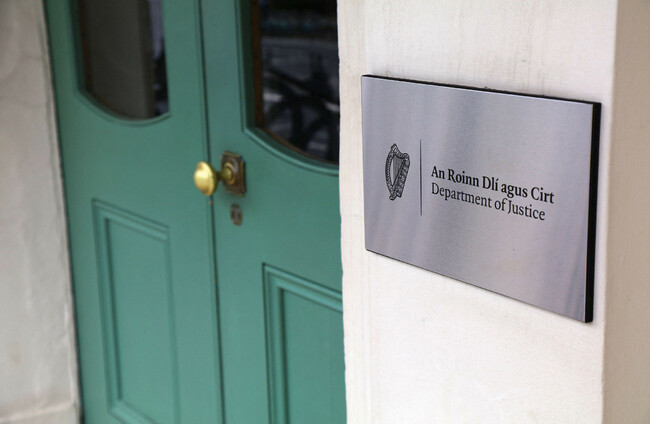
But what happens when they don’t? What can be done when a public body is consistently missing its deadlines? And why did it take the Department of Justice 56 working days to respond to a request where they didn’t find any records?
If a public body fails to respond to your request within the 20 working-day window, the requester is automatically entitled to an internal review.
Normally, these reviews cost €30 (€10 for medical card holders) and involve a more senior person in the organisation reviewing the request, but if a public body has failed to meet the deadline, this fee is waived.
But they are also given an additional three weeks to complete this review, which, for anyone under time pressure to get the records, isn’t much help.
This is why it’s usually better to get in touch with the decision maker or the FOI office in the public body to (politely) ask why you haven’t yet received a decision.
Typically, this can be because they’re waiting for someone above them to sign off on the records being released, or some people were out sick, which has led to delays.
This is where waiting a couple of extra days can pay off instead of immediately triggering an internal review and having to wait three more weeks.
But when this isn’t the case, the internal review can sometimes help move things forward.
You may remember my recent investigation into the tragic Youghal Ironman event in which two competitors died.
As part of this investigation, I sent several FOI requests to various public bodies, one of which was the Department of Justice.
But after missing the 20 working day deadline, it was clear I wasn’t going to receive the records in time, so instead of initiating an internal review, I just left it be until I eventually received a decision some 56 working days later – more than double the statutory period.
The real kicker was that after all this time, no records related to my request were found.
Perhaps I could’ve received this decision earlier if I’d taken the opportunity to seek an internal review, but even these are leading to substantial delays at the Department.
In November last year, I submitted two FOI requests to the Department of Justice.
The first sought records on the human rights observer reports submitted after every deportation flight, while the other asked for records about the changes made to the rules governing asylum seekers, citizenship eligibility and family reunification.
Ordinarily, I would have expected a response to both in late December, perhaps early January, due to many people taking holidays over Christmas.
But by late January, I hadn’t received either response, so I sought an internal review for both requests.
After three weeks, I still hadn’t received a response to either request, meaning the Department had now missed their second deadline.
If you don’t receive an internal review within the three-week period, it is possible to appeal this to the Information Commissioner, though you should know that, owing to a cyberattack last December, they are also experiencing delays responding to requests.
Instead, I inquired about updates to my requests every couple of weeks until, eventually, I received a decision…but only for one of my internal reviews.
I initially sent my first request on 18 November, requested an internal review on 21 January and received a final decision on 14 April. By that time, however, the Dublin Inquirer had already received the same documents and published a story.
And I still await my second internal review, some 8 months after initially sending the request.
Why is the Department of Justice failing to provide a response within the statutory time period?
The main issue is likely the sheer volume of requests they are receiving.
Something we’ve alluded to previously is that the demand for information on the asylum system is creating a bottleneck within the Department’s FOI unit. The Department of Children faced similar challenges when IPAS fell under their remit.
We can actually get a sense of the problem from the reference numbers that were assigned to my requests back in November.
In the 8 days between those requests being sent, the Department received over 30 FOI requests.
And it doesn’t appear to have slowed down. That request I sent relating to the Youghal Ironman event was the 451st request the Department had received in 2026, which works out to an average of 28 FOI requests per week.
A spokesperson for the Department of Justice told our team that they are “committed to fulfilling all of its obligations under the Freedom of Information Act 2014”, but admitted that “processing times have, in some complex cases, been extended.”
They also said the number of requests they’ve received has increased in the last few years, “from 938 requests in 2023 to 1,522 in 2025.”
And so, much like it was the case with the Department of Children, until the number of requests being received comes down, it’s difficult to see how things will improve.
Maybe one day I will get my second internal review decision. I just hope that if it does, it will be worth the wait.
If you have a burning FOI question about how to get certain records or why your request was refused, you can get in touch with our team at investigates@thejournal.ie. The Journal Investigates team will be back with another instalment of The FOI Files next Tuesday.

To embed this post, copy the code below on your site














have your say